

Years of practicing game development and design have lead to Conner Rush and Fyre Games’ first major title. After a huge announcement at GDC 2026, more eyes than ever are on them. Does Project Songbird deliver?
Narrative knife to the gut
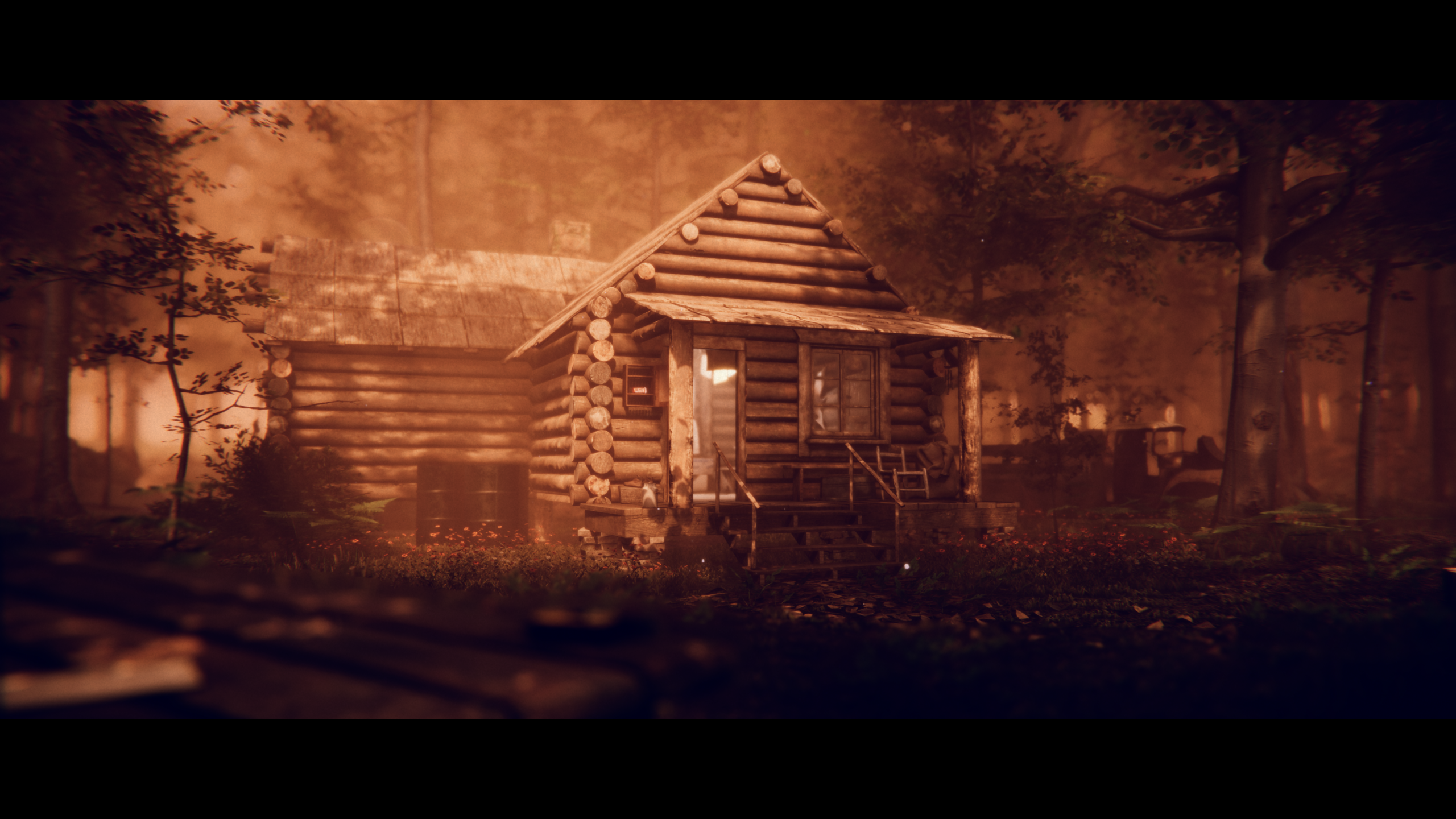
Ouch. As a narratively driven game, it sticks to this core, and balances everything on that particular aspect of design. It comes from the heart of Conner Rush himself, and has a deeply personal touch to it. The distinctly “game only” narrative moments hit just as hard though, and there is a clear suggestion that even they have ties to real world possibilities.
The narrative complexity, depth, and engagement all build on a steady upward trajectory for most of the game. In the final act, there are some moments that dip off and become a little less comprehensive, bringing an odd disconnect to how well the narrative balances the known and unknown before that point. It never fully leaves the player clueless, however there is an intentional element of unknowing that only enters itself toward the end. Again though, the hard moments hit the target dead on just about every time. When it needs to deliver, it always does.
The voice acting is at most times superb, with Valerie Rose Lohman and Jonah Scott giving justice to a competent narrative, elevating it with their talents. Depending on your outlook when it comes to English voice acting, some lines may come off as less appropriate, and unfortunately sometimes cringeworthy. This, however, is made up for by the fact that there are some stellar voice acting moments. Jonah Scott in particular never has a single bad line or delivery, which says nothing about Lohman’s performance, as her lines are more emotionally demanding and frequent, which is bound to deliver some misses no matter who the writers or voice actors are.
Scary new territory
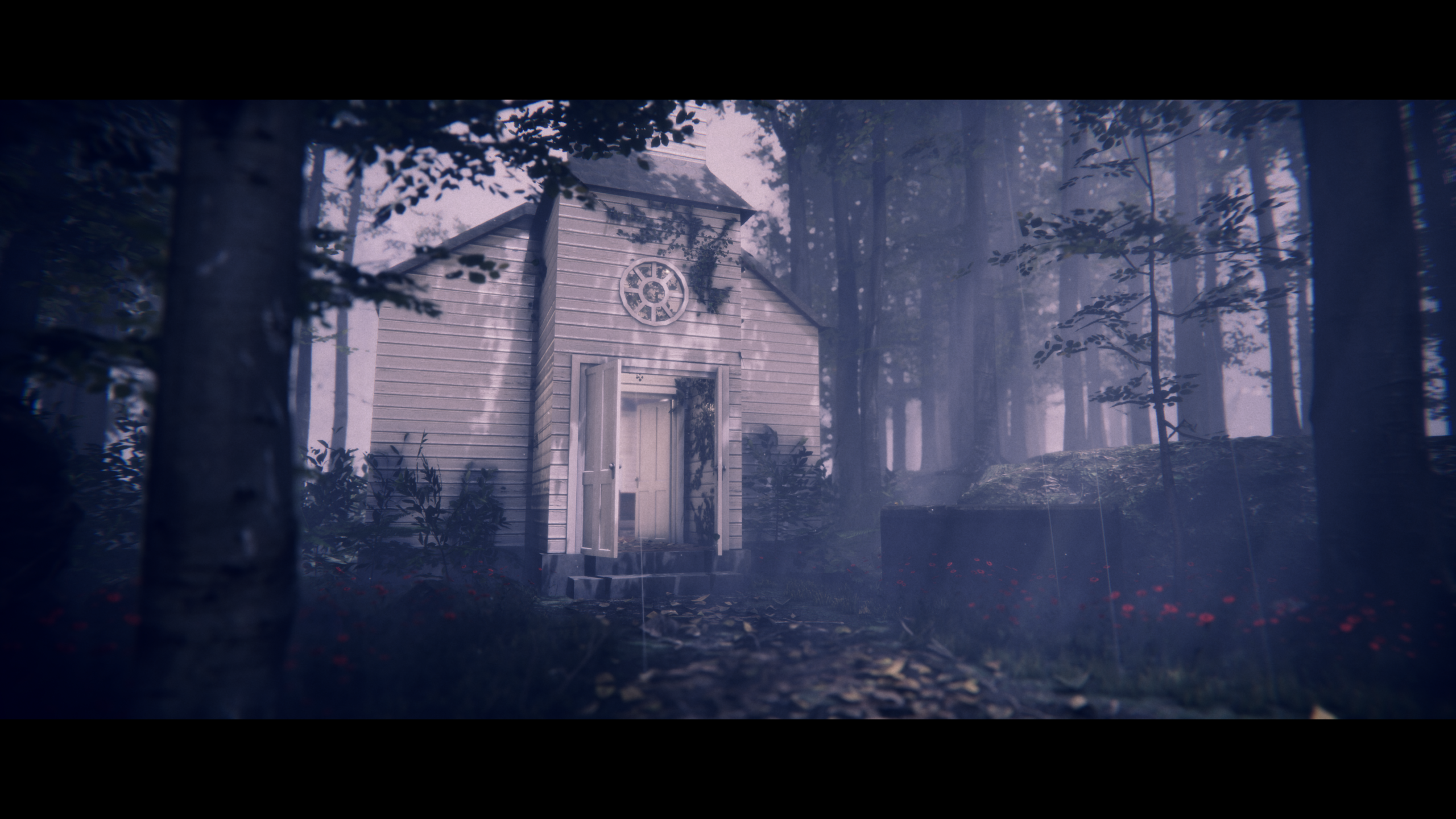
Rush has been making games since a young age, and as a creator-centric game, I thought it best to play his entire library before playing Project Songbird. The great thing about creator-centric and solo-developed games is that there is always a recognizable identity and style to them. Rush is more than aware of this, and sets it as a focal point for a piece of narrative within the game. “Walking simulators” that are driven by narrative and environmental interaction is the best way to summarize it. This time around, there was expansion on the possibilities within that style in many ways.
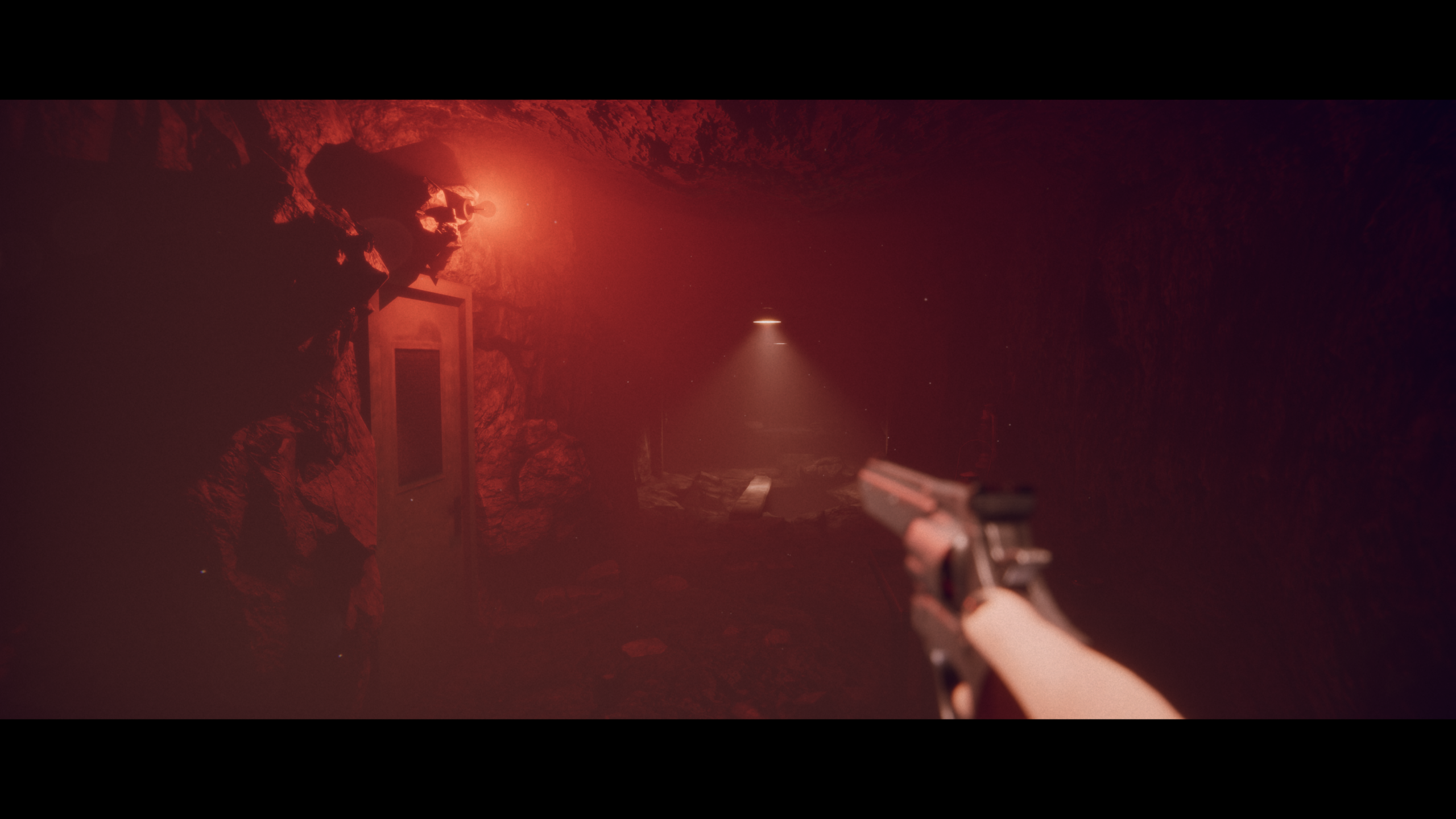
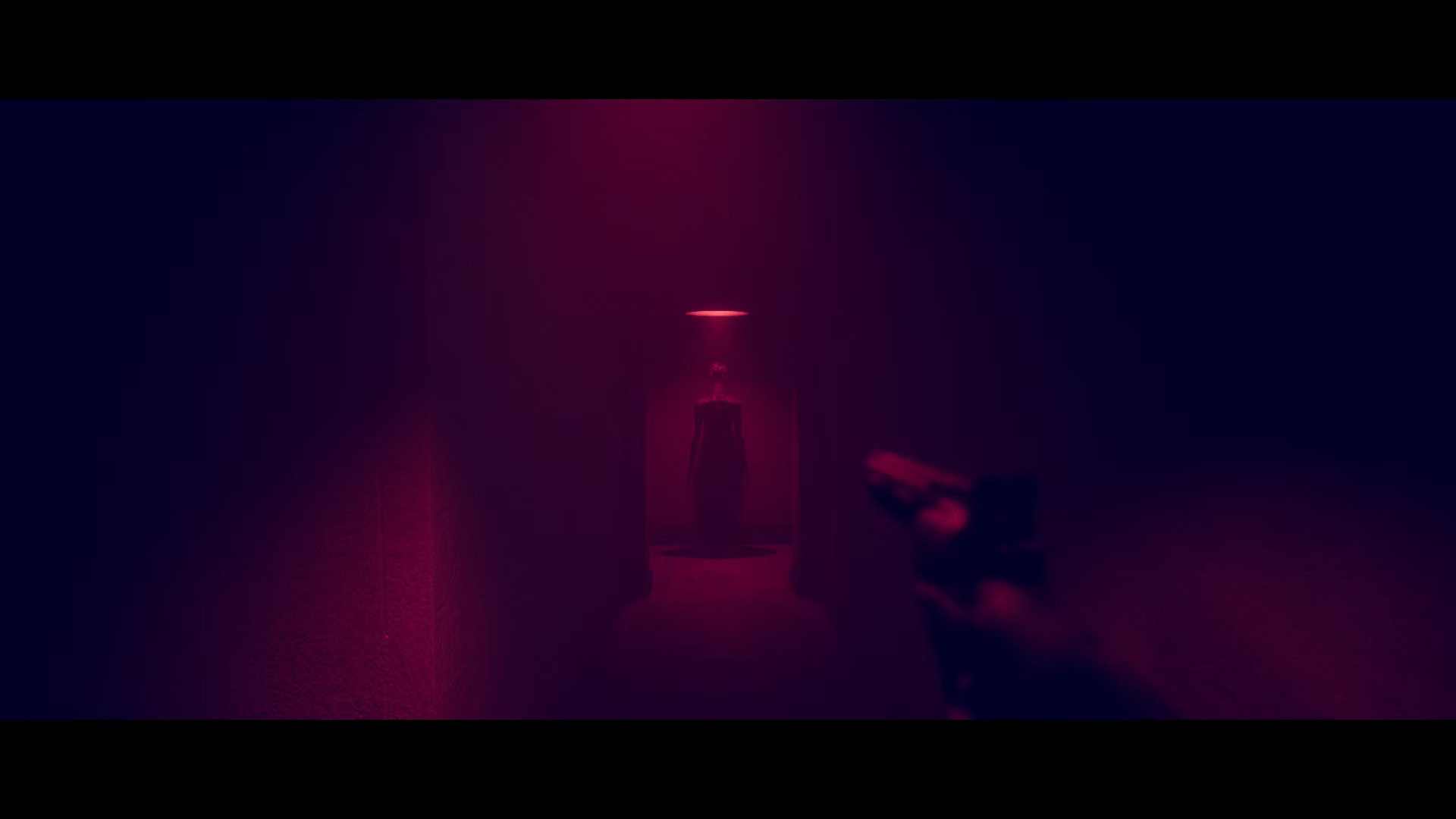
The most stark contrast to the usual Fyre Games formula would be the addition of a first-person shooter element. While there was an upgrade system, and combat progression, it was all minor and felt unrealized for the most part. The basis for these systems is certainly evident, however it is limited to little more than that. The most interesting of the enemies actually ended up being the enemy type that wasn’t combatable, as it made for the most horrific moments of the entire game. I want to emphasize here that when you reach this point, you will absolutely know what part this is. A combination of level design, enemy design, and audio design make for the most horrifying moment I’ve experienced in a video game ever.
There are several major systems to the game, and while they don’t all feel fully realized, there are some really unique and special moments where certain systems get to shine and show their potential. Unfortunately the length of the game isn’t quite that in which there is enough time to explore several possible uses for different mechanics and systems, just a few shining moments.
An engine chugging alone
The Unity jank is present. There is unfortunately no way to talk around it. This is one of the best examples of overcoming the odds to make an immersive game in the Unity engine, however there are unfortunately still moments that textures, objects, and animations pull the curtain back a little and take away from the immersion. There is a constant double-think of both being immersed while also being conscious of the engine exposing itself more often than desired. There are games that have presented this kind of jank while stylistically representing itself in a consistent fashion. There is a level of polish that those games present, whereas Project Songbird reminds the player that Unity has simple assets that can be applied into any game.
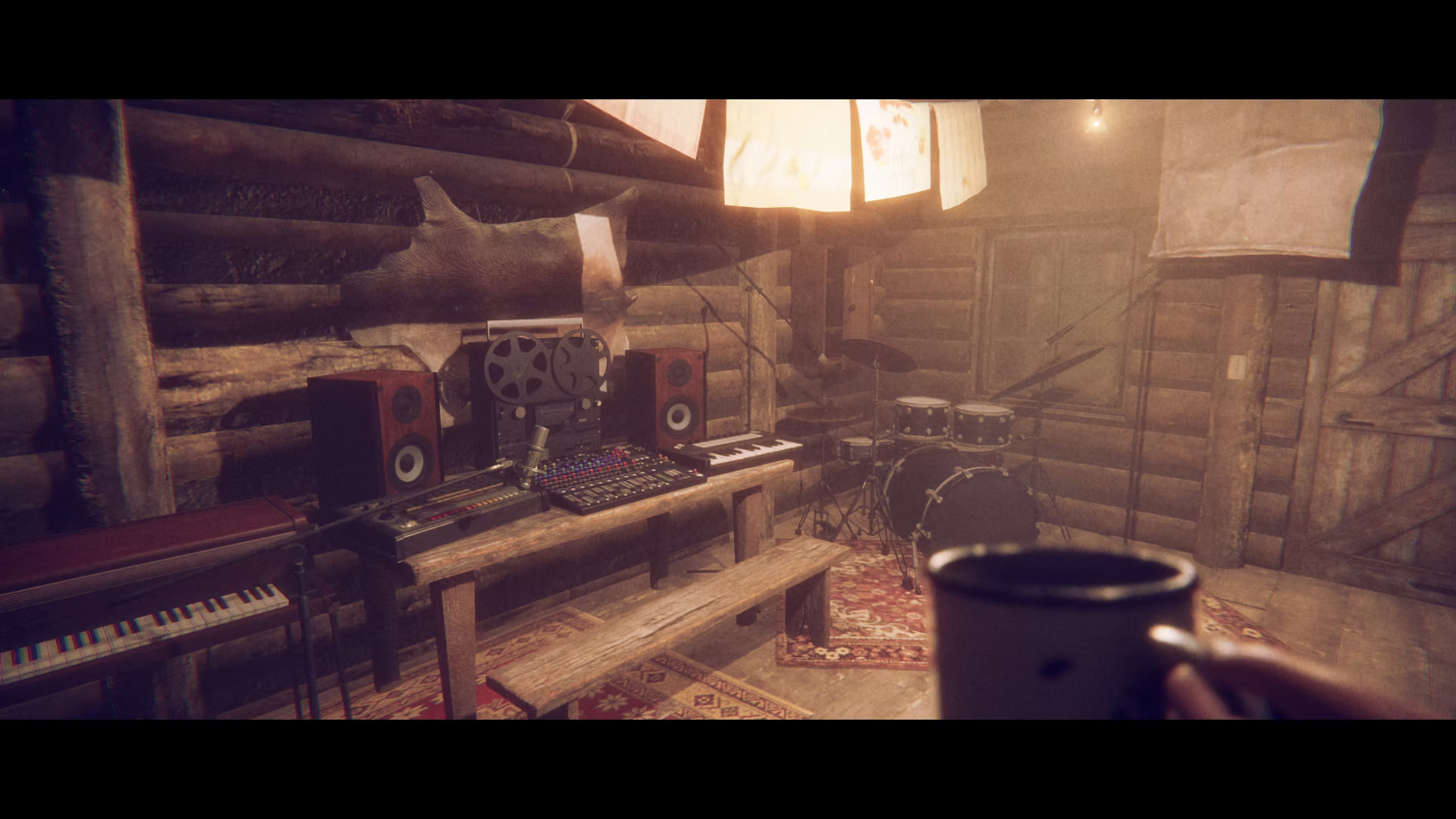
There are fortunately times where the game’s systems actually technically impress. The central location that the player will return to several times has features such as in-game image storage, multiple music players, and a retention of things seen and heard in the game. In the final act of the game, the location that the player explores also has some technically impressive features that some of the most intriguing indie games have used as core mechanics.
Music in sickness and in health
Music is the core of who Dakota is, but through the game this is questioned whether that is still true. That sense of imbalance and turbulent relationship with music is mirrored through the game’s own audio and tracks. Not only is it Dakota who is latched onto music, or perhaps latched onto by music, but the player as well. Familiar unsettling tracks will have the player’s hands shaking as they try to make a quick escape, while the safer sections of the game will soothe the soul with very calm, familiar music, and ambiance.
A unique characteristic of the music is that all of the music playable at the in-game turntables are real tracks recorded by real artists. Not only are there tracks from the game to favor and cling to, but existing tracks from the real world, most of which most players will be hearing for the first time.
Music isn’t the only auditory tool though. The sound design of the game flows between feeling natural, feeling horrifying, and feeling unnatural. This doesn’t go to waste either, as there are gameplay elements that focus particularly on sound in very engaging ways. While you’ll surely remember the things you see in the game, there’s a good chance you’ll remember lots of what you heard as well.
The humanity
The most unique element of the game is the interconnection it has with the real world. As previously mentioned with the music, there are many external factors recognizable as “real” within the game. It becomes more than just a game at times, rather turning into a multimedia art piece. Not only at the beginning, but through the game all the way to the end.
Without spoiling the game, the most emphasis I can put on it is: be prepared for things to get real. Really real.
It’s not for us
Through the ups and the downs, the relatable and unrelatable, this game isn’t for us and never was. This narrative comes straight from Conner Rush’s own heart and mind, and that’s who this is for. This artistic game is an outlet of expression for Rush, and at the end of the day, that’s who this is for first and foremost. Our enjoyment of it is a bonus, and something we can share with the creator of such a fine piece. In a world of video games being made to serve an industry, we tip our hat to those willing to make the games they want to make.
It wasn’t my favorite video game so far this year and it won’t nearly be my least favorite, but it may end up being the most memorable. It has been a long time since I’ve played a new game that puts art at the forefront of its creation, and Project Songbird was a refreshing venture back into that sentiment.
Project Songbird is out now on PC, PlayStation 5, and Xbox Series X/S.

