

Before the turn of the millennium, the video game industry looked a lot different. There were fewer small independent studios releasing titles on home consoles in the way there are now. Every development studio was small in terms of the number of employees, compared to now, even the AAA studios. However, that didn’t mean they were necessarily run well, and they were often full of bureaucracy and some even had a toxic culture, just like today. The homebrew scene was only just starting, partly with edits to Game Boy Pokémon games.
Today, the indie scene is blossoming. Small teams of people or even single individuals can make games. Homebrew is also generating buzz. Websites like itch.io showcase an array of experiences that are a testament to the creativity and intelligence of those who create homebrew games. In this article, I will try to show how homebrew, indie development, and by extension, emulation and hacks are great for the industry, the developer, and the gamer (despite being arguably morally questionable areas). Read on for a voyage through homebrew.
Homebrew
In essence, to play homebrew titles, you do have to jailbreak your old system (which can admittedly be a legal grey area). However, and hear me out, this is only usually done once the system has long since been retired. There’s no official development going on for it. Because of this, the games you are playing are not replacing “new” games that you could be playing on that system (and giving a developer and publisher money). This means that you are not playing a homebrew title in place of an official, paid-for title. In fact, if anything, you are probably helping the company that created the console, as any play time (even if it’s homebrew) is good for developing buzz and positive experiences. For these reasons, I think jailbreaking a device is less of a moral grey area than it seems. Plus, exposure for budding homebrew developers must be good for industry growth.
Homebrew helps the industry in other ways. As homebrew developers work with emulators, they improve them, which in turn helps the consumer and the industry leaders, since all companies use its own emulators when running retro games on modern hardware. It is the young coders, artists, and designers of homebrew games who are making improvements and breakthroughs in design practices and design methods. Hopefully, many young homebrew developers will go on to have careers in game development. From the perspective of an industry leader, a homebrew developer is already experienced in making games. Everyone knows about the experience paradox — “You can’t get a job until you have experience, but you can’t have experience until you get a job.” Homebrew can be a solution to that paradox in this industry.

Quality titles
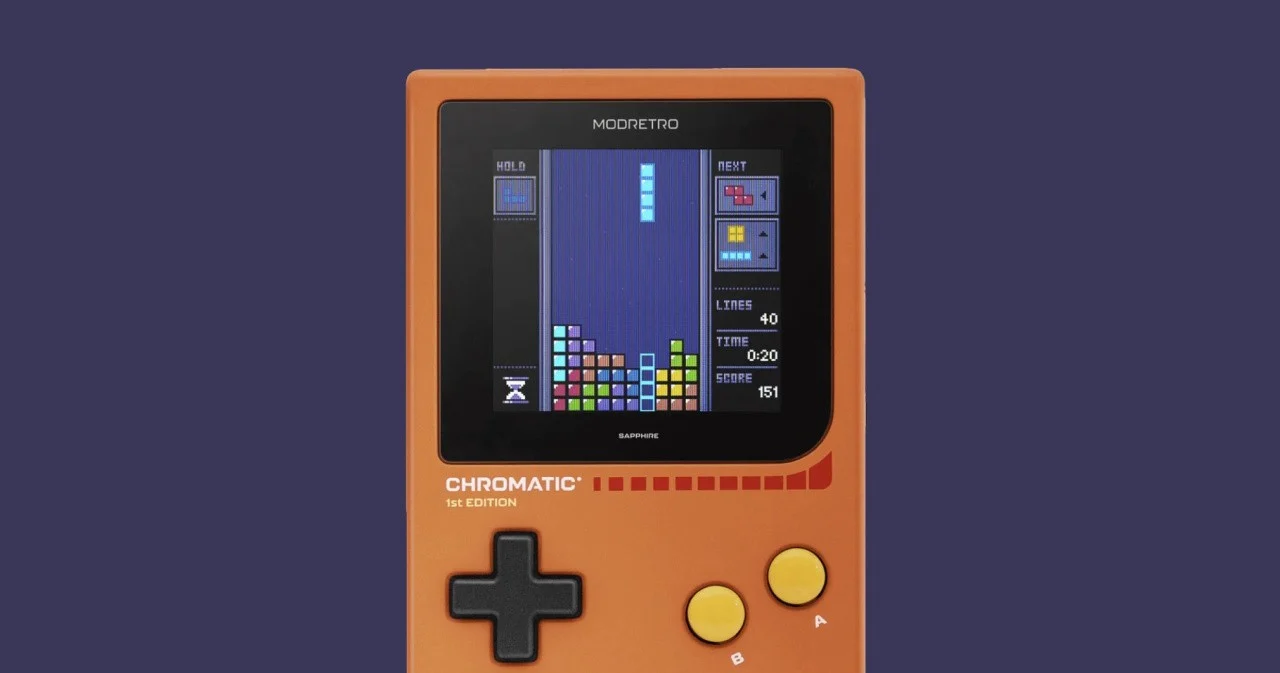
I haven’t yet touched on the idea that a lot of homebrew games are actually great games from a wide variety of genres. Among homebrew games made using Game Boy Studio alone, you can count puzzle, RPG, metroidvania, and even horror and life simulation games as part of the catalogue. Well-made homebrew games that border on official releases, such as titles like Dragonhym and Wicked Plague are experiences that rival the big boys of the Game Boy catalog. Furthermore, new hardware, such as the Mod Retro Chromatic (essentially a third-party Game Boy) and the Analogue Pocket, has driven a new batch of Game Boy games to be developed. While these are still not official titles, these games still capture the magic of the Game Boy.
Niche titles are a big part of homebrew on systems like the Game Boy. Small Town Emo is a story-focused role-playing game that boasts style and impressive world-building. It may be a sign of a flourishing development scene that often overlooked parts of the market are targeted by developers who are passionate about games and may want to develop games that they themselves would want to play. Point-and-click games are also being developed for Game Boy as homebrew titles. In fact, I would say that storytelling is a big part of the homebrew movement. Whether it’s storytelling via world-building rather than cutscenes or still images, developers don’t always follow the development methods of one big developer (for example, Nintendo and its gameplay-first methods). Rather, there’s a huge diversity of methods and means used to make these games.

Conclusion
Homebrew has become a lifeline to retro gaming fans as it means older, discontinued consoles are getting new software releases, even if they are not official. Game Boy homebrew in particular has new releases almost on the scale of new platforms. Speaking of new platforms, new hardware such as the Mod Retro Chromatic and Analogue Pocket have driven new game development. Dozens of titles are being released with those platforms in mind. Niche markets and a wide variety of genres are being catered for with homebrew. The skills of game development are being honed through homebrew development, and the games being produced can be the same standard as official releases. The industry will benefit from the skills that are being learnt through homebrew development.
I’m keen to see how the development of many new homebrew games turn out, and I’m excited for new and varied experiences that homebrew will deliver to us. If you’re interested in some of these games, visit itch.io.