

It’s been almost six years since Capcom announced Pragmata, a reveal alongside the PS5. The game has gone through trials and tribulations to reach players. However, after all this time, we are finally able to dive into the game. The game was a mystery to me when it was first announced, with most of the details being a spaceman fighting a threat on the moon. And with Capcom crafting this adventure, I was on board. What we got is a third-person shooter/puzzle hacking experience in all of the best ways.
A great journey on the moon
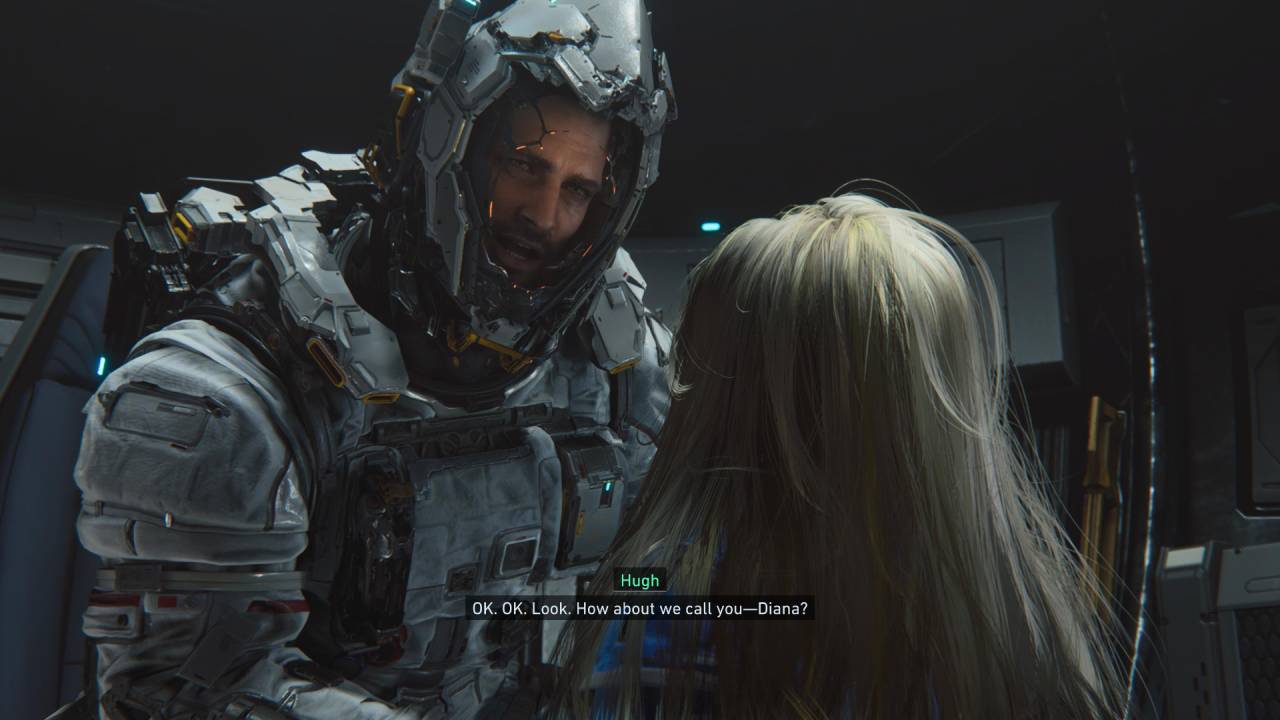
Pragmata tells the story of Hugh Williams, a member of a dispatch team sent to the Moon. He arrives at an empty research station with no humans besides his team — and an AI-controlled network that aims to keep them from heading back to Earth. Upon arriving, they encounter Diana, a young android who aims to help Hugh get back home with the use of her sophisticated hacking powers.
The story of Hugh and Diana’s journey through the research station is familiar. They build a bond as they work to survive and take down the hostile threats in their way. However, this familiarity is a warm welcome. Seeing the bonding between a human and an android just felt better and better with every turn. Hugh teaches Diana different human emotions. In return, Diana is easing Hugh’s worries about androids. It’s a unique trade-off, allowing for the characters to get more comfortable and bond organically (no pun intended).
The mystery of Pragmata is great. You strive to figure out what exactly happened to the Delphi research station on the Moon, although the mystery doesn’t overstay its welcome. Even as I progressed further, I just felt more intrigued to figure out what happened. Trying to take down IDUS alone was great motivation, and the story is portrayed really well.
The mother of all hacks
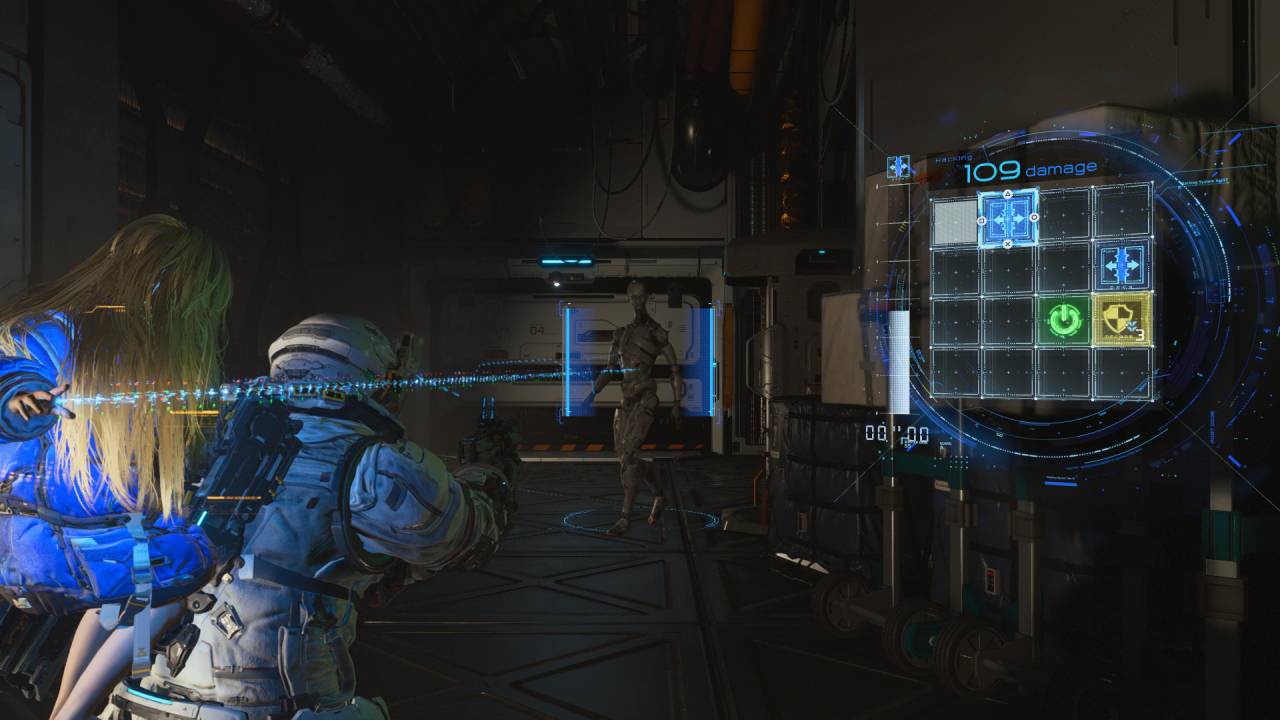
Let’s talk about Pragmata’s main trait: hacking to combat enemies. It’s truly spectacular to experience throughout. Players need to hit buttons in their respective directions to damage and open weak points on the robots. Every single time I came across enemies in the game, it was like a fun, small minigame. Not just that, but it’s meaningful. Hacking is how you do damage and keep yourself involved. You can just go around blasting enemies with weapons, and that’s it. It makes Diana a key part of not just the story but your gameplay. But it’s meshed so well together with the gunplay, it feels like the perfect dance of gameplay mechanics.
Furthermore, it’s just addictive and great to evolve. You can use different nodes to cause debuffs to the intended target. Such as enemies taking more damage while exposed to a successful hack. It’s a core component of Pragmata. One that elevates it from a simpler third-person shooter to something else entirely. And with the patterns of the hacks changing each time, it keeps the challenge going as you partake in combat encounters. Some even get larger depending on the size of the enemy you are targeting.
At first, it can be a bit overwhelming to get used to. Mainly, when you come up against groups of enemies. But as you grow used to it, each fight gets the energy pumping. And in no time, the hacking just becomes second nature. And not just that, but I was shredding through enemies because of it. Having the hacking and combat linked is something that works incredibly well in this game. Furthermore, one relying on the other keeps things active, rather than just focusing on aimlessly shooting foes.
Loadouts to fend off the storm
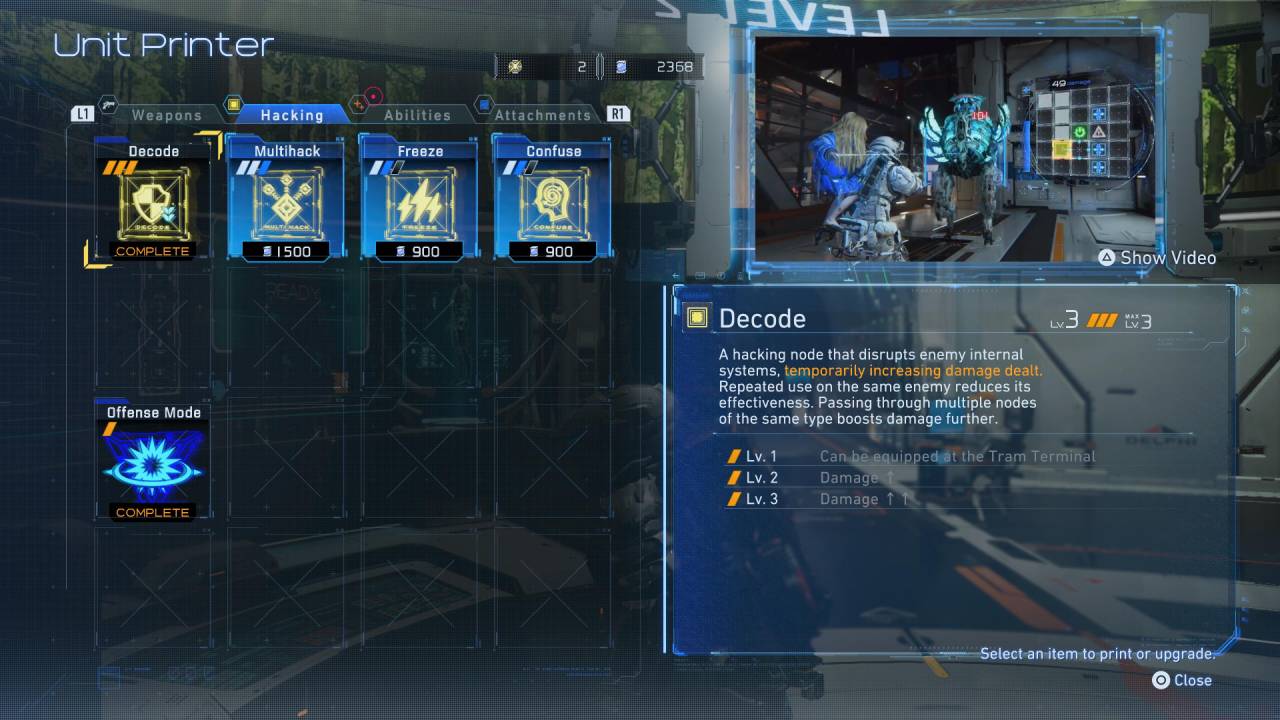
What also goes well with the hacking combat of Pragmata is its loadout variety. Players get different weapons to unlock and use in the game, such as the Shockwave Gun or Stasis Net. Each provides different methods of combat — for example, damage and tactical, respectively. While Hugh has a standard primary weapon with rechargeable ammo, the additional weapons make things more interesting.
You get to create loadouts around how you want to play in Pragmata, allowing for different types of experimentation. Not only that, but you can equip different hacking nodes for Diana to use when you hack. The game gives you different options, and it doesn’t feel stale. And just when you think you may get tired of that trusty loadout, you can try something else. I found myself using different combinations plenty of times, and each one felt different.
Not only that, but the game strives for you to try different weapons. Instead of having a solid meta to rely on, you can grab different weapons throughout. And with different types, it allows you to think on your feet for each encounter. Mix that in with the hacking, and the combat becomes chaotically good. The blend of the loadouts sprinkled on top makes for more fun than usual in a third-person shooter.
Gimme shelter
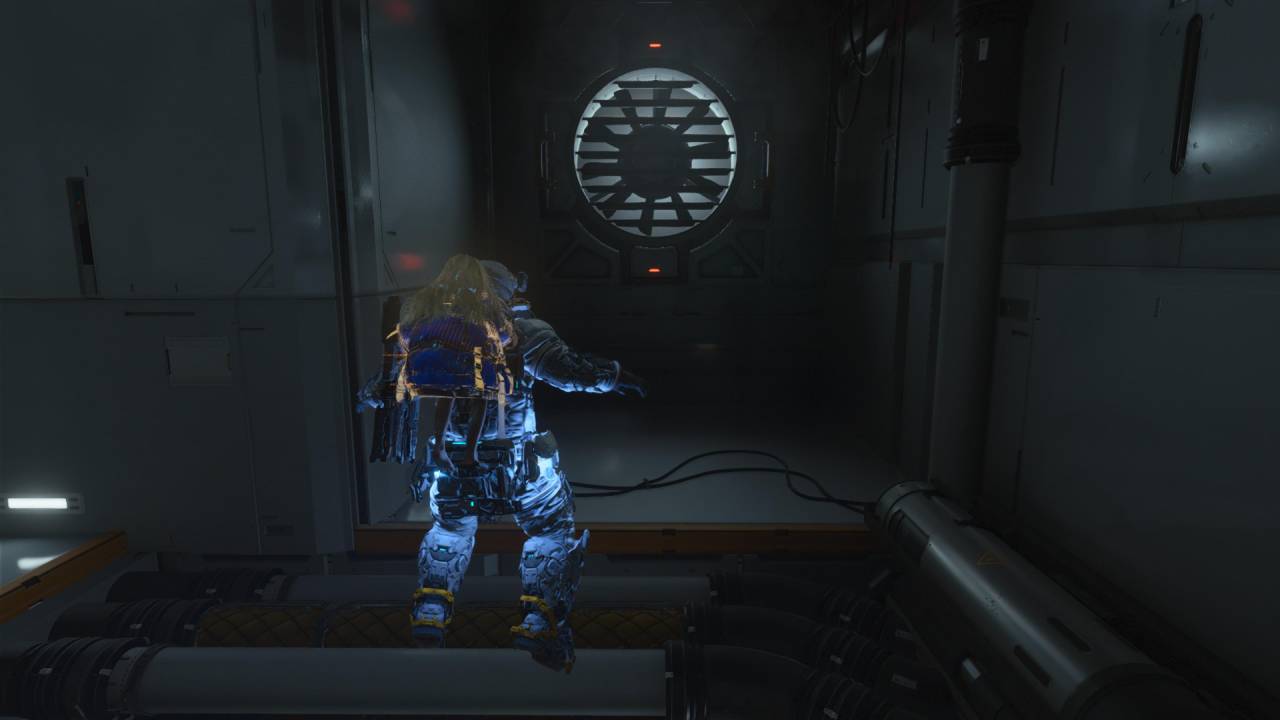
Additionally, Hugh and Diana make use of a Shelter system in the game, essentially functioning like a bonfire from the Dark Souls franchise. You go there to save and bring out loadouts for the area of the game you are in. Further adding to the creativity of loadouts you can create with weapons. Because of this, though, you also respawn all enemies. While you can earn more currency to upgrade, you run the risk of being taken down before progressing further. So it leaves the decision in your hands.
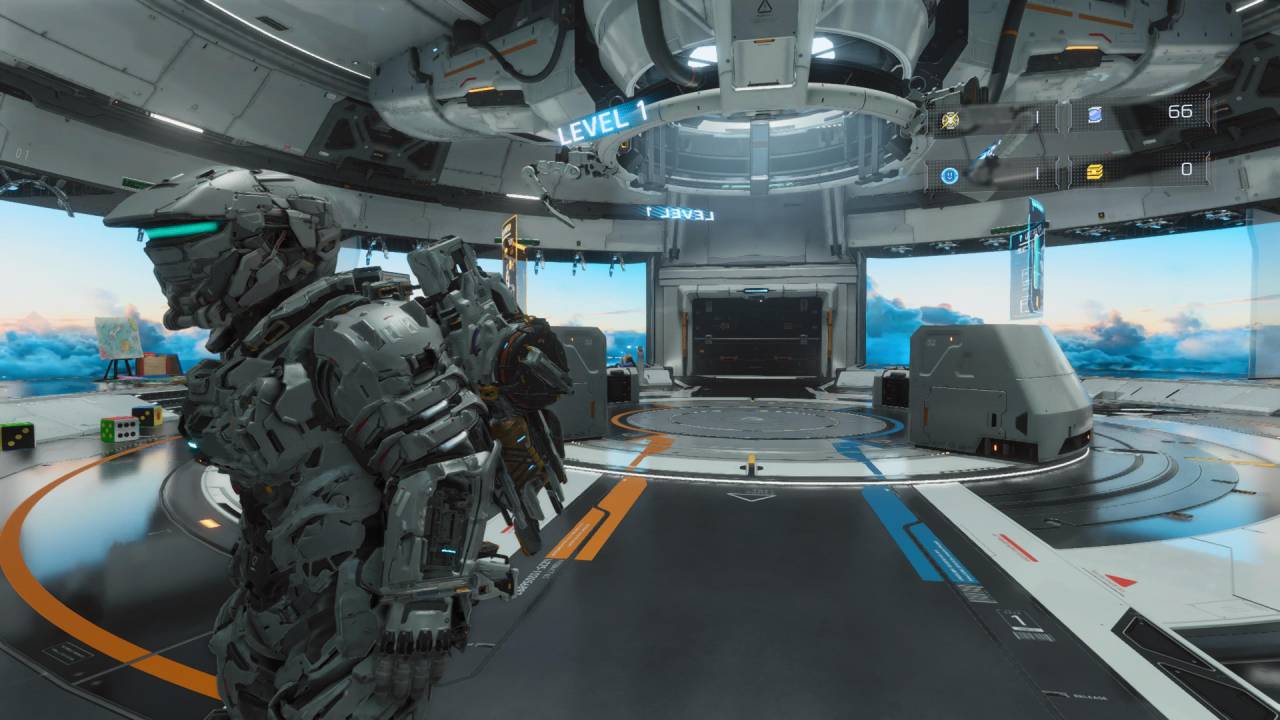
It also serves as a nice respite from the combat and bosses you encounter. You can partake in adorable conversations with Diana. Or showcase unique environments she may not be used to. With the Shelter being a separate entity from the rest of the areas, it’s a fun place to recuperate. Plus, you get to learn more about the lore of the game while you explore the area, more or less serving as the hub or base of operations.
Ultimately, though, the best part of the Shelter is that players can upgrade their character here, from primary weapon damage to giving Hugh more HP. There are plenty of access points to the Shelter, and it feels integrated well into the progression.
Danger in space can look good
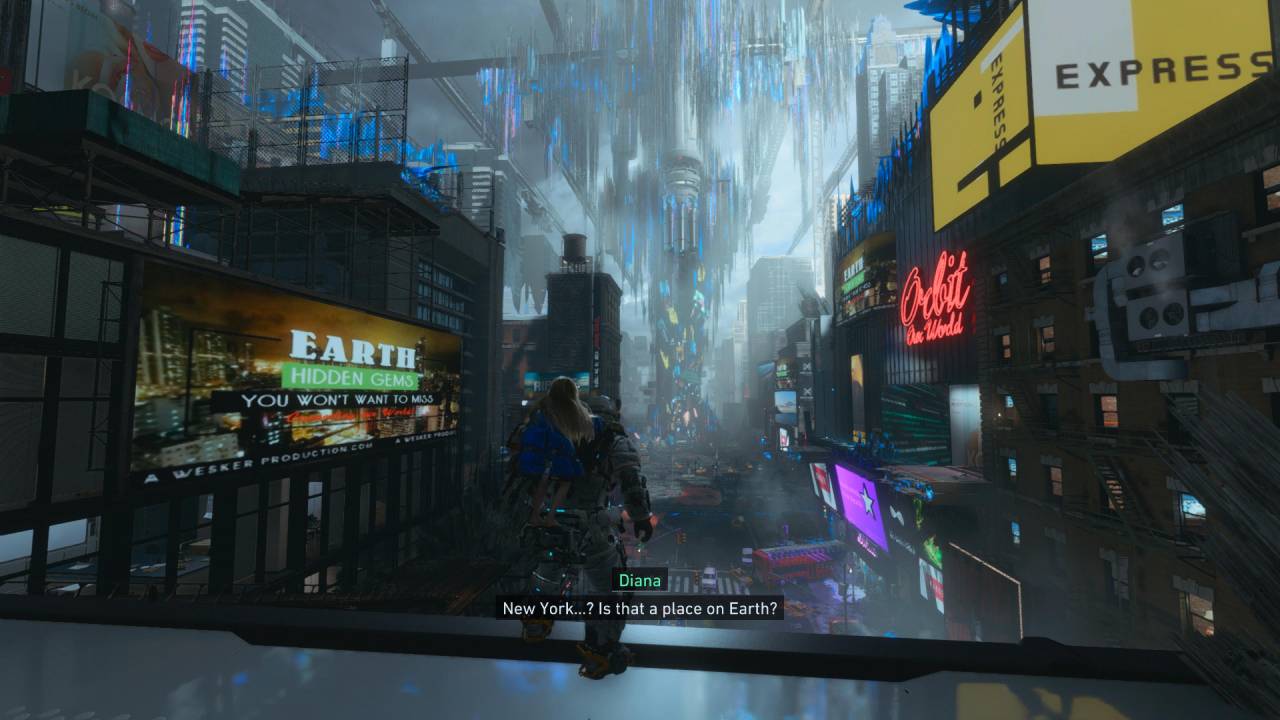
Pragmata looks fantastic all around. The character models are designed well. Capcom works its magic on making the protagonists look lifelike, with facial expressions that perfectly convey emotions. And in a game like this, it makes it all the better. Plus, the costume design is grand, with Hugh decked out in a spacesuit that looks ready for war. In terms of Diana, you can see Capcom wanted the essence of hair physics to reflect well in their titles, as it did in Resident Evil Requiem.
And while Hugh and Diana are the stars, even the hostile AI foes are well-crafted. There are different variations of metal thugs to fight through. They range from easy contenders to stuff that should never make its way to Earth. Their movements can be eerie and feel like the mechanical undead in the most glorious of ways. And while the game takes place on the moon, the environments are great. Narrow corridors to recreations of Times Square quite literally feel out of this world.
And if you are a sucker for performance gameplay like I am, Pragmata runs well. I have been playing it on the base PS5, and I never noticed any frame skipping or drops. While I am in the heat of battle with various androids on the screen, things still run smoothly. And with games sometimes missing the mark in this regard, it’s nice to see Capcom nail it so well.
In space, Pragmata can be heard well
Let me start by saying that the audio of Pragmata is music to my ears. Not just the soundtrack, but my personal highlight, the voice acting. The talent does the job well for the banter between Hugh and Diana, showcasing an adult trying to teach a child different things. But also, the voice behind Diana gives off human emotions for an android that doesn’t feel flat. Instead, you see a child trying to bond with their adult caretaker. This feels heartwarming in times when danger is everywhere.
As I said earlier, the music of the game is also top-notch. Ranging from hectic action pieces in fights to calm and serene notes as you explore through the Delphi Research Station. Yasumasa Kitagawa had me hooked on the music just from the first few piano keys at the main menu. It perfectly creates the serenity and loneliness that the lunar surface seems to feel, while keeping you attentive when fights break out.
The game does well with its audio work. The weapons each have different noises, rather than sounding like carbon copies of one another. It creates an environment where things don’t feel replicated. And for a third-person action experience, the audio is something that didn’t falter for Capcom.
Pragmata shows Capcom can do new IPs perfectly
Overall, Pragmata is an incredible debut of a new IP from Capcom. Seeing the unique combination of third-person action with hacking meshes well here. What could have been a mess instead feels fleshed out. It makes for interesting combat encounters against even the most basic enemies. Furthermore, the dynamic between Hugh and Diana, while reminiscent, is endearing and made me feel like they are a true pair of heroes and ones I cared for, instead of just casting them aside and focusing only on the objective at hand.
The game provides different loadouts to craft and use on enemies, while showcasing some stunning environments to venture through. The gameplay, mixed with well-tuned visuals and audio, makes for a masterful combination, something that Capcom has shown time and time again to be an expert in.
Sometimes, when it takes a long time for a game to come out, there’s always that worry. The worry that things don’t work out, and it was not worth the wait. To me, Pragmata is the opposite of that. Capcom took the time with the game and produced something special. While at its center, it’s a third-person action game, it’s more than that. It’s a journey of bonding for two characters from opposite walks of life. Mostly, it’s just a fun game, something that can be replayed over and over again, while only getting better. And you know what? It’s a beautiful thing to see in this age of gaming. Pragmata feels like a shimmer among the stars to me.